
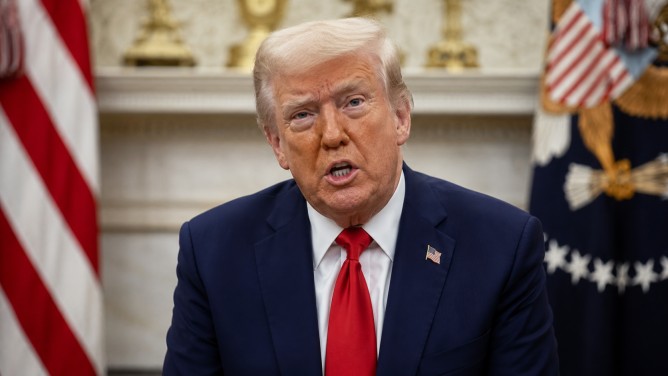
U.S. President Donald Trump has made it clear that the administration’s decision to impose tariffs on Canadian goods is unrelated to the wildfires that have recently affected air quality in parts of the United States. During a meeting with Lebanon’s president, Trump emphasized that the tariffs are a result of ongoing trade disputes with Canada, not environmental issues. He criticized Canadian leaders for what he perceives as unfair treatment of American farmers and reiterated his disapproval of Canada’s trade policies.
Speculation had arisen that the wildfires, for which Trump previously blamed Canada for not managing effectively, might have influenced the U.S. government’s trade strategies. However, Trump has dismissed these claims, maintaining that the tariffs are rooted in trade disagreements. The White House has announced intentions to implement a 50 percent tariff on a wide range of Canadian imports, citing Canada’s discriminatory practices against U.S. products such as automobiles, dairy, and alcoholic beverages.
In response, Canadian officials have denied the allegations and are calling for renewed discussions to resolve the trade tensions. They argue that negotiations could help avert the tariffs, which are slated to come into effect within 30 days if no agreement is reached. The proposed tariffs have heightened concerns about economic instability and the potential impact on the trade relationship between the U.S. and Canada.
These developments underscore the complexities of the trade relationship between the neighboring countries and the economic uncertainties that could arise from prolonged disputes. The situation remains fluid, with both sides expressing a desire to resolve the issues but remaining firm on their respective stances. The international community will be watching closely to see how these negotiations unfold and their broader implications on global trade dynamics.