
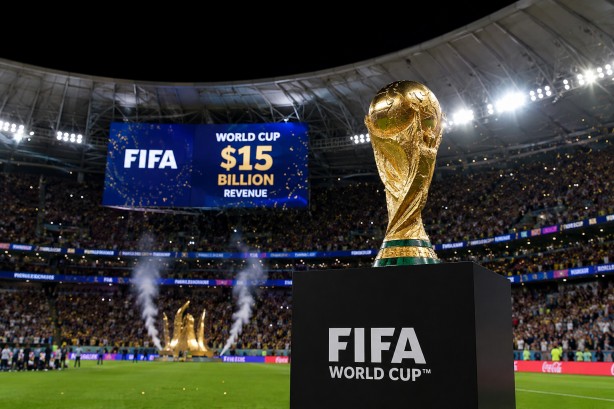
FIFA is set to unveil remarkable financial results from this summer’s World Cup, with anticipated revenues hitting $15 billion, significantly surpassing its initial estimate of $11 billion. This substantial financial gain has been largely fueled by the sale of hospitality packages and tickets, especially through the secondary market. FIFA benefits from a 15% commission on these transactions, both from buyers and sellers, which has notably boosted the organization’s earnings.
These record-breaking revenues are expected to have a positive impact on FIFA’s member associations, though the exact allocation of these additional funds is still under consideration. The financial success of the tournament is likely to bolster the standing of FIFA president Gianni Infantino as he prepares for a reelection campaign in March. Already, more than 200 member associations have expressed their support for his continued leadership.
The success of the World Cup has also enhanced the United States’ chances of hosting another such event in the future. The next World Cup open for bidding is the 2038 edition, and there are ongoing discussions about the possibility of the U.S. hosting the 2029 Club World Cup as well. These developments reflect positively on the U.S., positioning it as a strong contender for future FIFA events.
As the tournament progresses, premium hospitality packages are still available for the upcoming final showdown between Spain and Argentina in New Jersey. Spectators interested in the most exclusive experiences can purchase tickets for the “trophy lounge” at prices reaching up to $34,500 per person, reflecting the high demand and prestige associated with this global sporting event.