
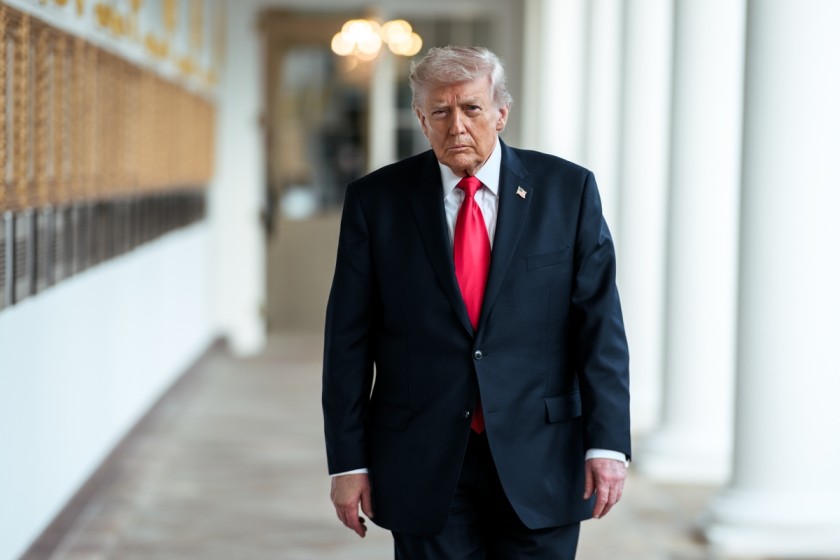
President Donald Trump has asserted his capacity to dissuade Israel from conducting further military operations in Lebanon, emphasizing that Israeli leaders hold his leadership and judgment in high regard. In a recent interview, Trump expressed confidence that Israel would heed his counsel concerning military activities in Lebanon. His remarks emerge amidst existing tensions between Washington and Jerusalem over a recently signed US-Iran agreement aimed at mitigating regional conflicts in the Middle East.
The US-Iran pact, designed to de-escalate hostilities in various conflict zones, includes measures such as ending hostilities in Lebanon and reopening the crucial Strait of Hormuz. However, Israel, which was not a direct participant in the negotiations, has voiced skepticism about the agreement. Despite reports suggesting Israel’s commitment to refraining from strikes on Beirut, Israeli military forces continue to hold positions in southern Lebanon, casting doubt on the agreement’s full execution. Furthermore, private US appeals for Israel to fully withdraw from certain Lebanese areas remain unheeded.
Trump also touched upon his rapport with Israeli Prime Minister Benjamin Netanyahu, describing it as favorable while underscoring the necessity for robust leadership and open dialogue. The leaders have occasionally disagreed on regional policies, particularly concerning Iran and broader security arrangements in the Middle East. These differences highlight the complex dynamics between the two nations as they navigate the intricate landscape of Middle Eastern geopolitics.
Meanwhile, efforts to uphold a ceasefire between Israel and Hezbollah persist, although intermittent skirmishes and mutual allegations of ceasefire breaches have sustained elevated tensions across the region. The ongoing volatility underscores the fragile nature of peace efforts and the intricate web of alliances and hostilities that characterize the Middle Eastern conflict landscape.