
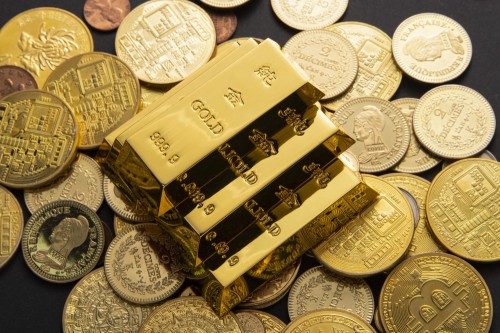
Gold prices saw a downturn over the past week, reflecting investor reactions to the uncertain state of US-Iran negotiations aimed at resolving the broader Middle East conflict. Trading around $4,450 per ounce, gold experienced a weekly drop of close to 2%, influenced by fluctuating signals from both negotiating parties. While US officials have indicated that peace talks are nearing completion, Iranian counterparts have expressed skepticism, citing a lack of substantial progress and leaving markets in suspense over the final outcome.
The ongoing conflict, now reaching its fourth month, has significantly disrupted crucial energy routes through the Strait of Hormuz. This turmoil has led to elevated oil prices, simultaneously intensifying global inflation fears. The resultant inflationary pressures have bolstered expectations that central banks might either maintain or increase interest rates, diminishing the appeal of non-yielding assets such as gold.
Analysts observe that gold has struggled to gain traction, remaining confined within a narrow trading range following steep declines at the conflict’s onset. The precious metal continues to trade well below its levels before the conflict began, signaling reduced investor interest in traditional safe-haven assets despite prevailing geopolitical uncertainties.
Alongside gold, other precious metals have also experienced declines, while currency markets have shown relative steadiness, highlighting mixed investor strategies amid global unpredictability. The trajectory of gold’s value will likely hinge on whether geopolitical tensions escalate or if diplomatic efforts lead to stabilization of energy markets and inflation expectations, experts suggest.