
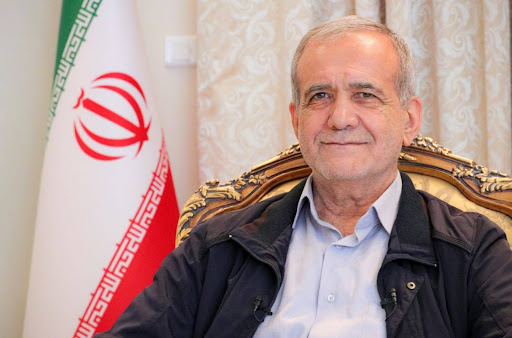
Iranian President Masoud Pezeshkian has pushed Gulf nations to effectively take sides against the US military presence on their soil, warning that continued hosting of American and Israeli war operations will cost them their security and development. The statement, made via X, came over a month into the Iran-US conflict and marked one of Tehran’s most forceful diplomatic messages to the region. Pezeshkian addressed Gulf governments directly, linking their future to the decisions they make now.
Saudi Arabia, the UAE, Kuwait, Qatar, and Oman have become caught in the conflict’s wake because US forces stationed there have struck Iran. Tehran has retaliated with strikes in those countries, making Gulf governments reluctant front-line participants in the war. The situation has created enormous political and security pressure on these governments, which must now navigate competing demands from Washington and Tehran.
Pezeshkian restated Iran’s long-held position of not engaging in preemptive strikes but warned that retaliation for attacks on Iranian economic or infrastructure targets will be swift and strong. He urged Gulf governments to refuse the role of military platform for the US and Israel, arguing that doing so is the only way to protect their own security interests. His message reframes the conflict as a choice that Gulf nations themselves must make.
Pakistan has taken center stage as a diplomatic actor. Prime Minister Shehbaz Sharif confirmed that Pezeshkian views trust as a necessary prerequisite for any peace talks. Pakistan’s foreign ministry is hosting a key meeting of foreign ministers from Saudi Arabia, Egypt, and Turkey in Islamabad to discuss de-escalation strategies and explore pathways to peace.
Pakistan’s Ishaq Dar will lead the talks and meet with Prime Minister Sharif as well. Tehran has praised Islamabad’s peacemaking efforts as constructive and meaningful. The coming ministerial meetings in Islamabad represent an important test of whether regional diplomacy can outpace military escalation.