
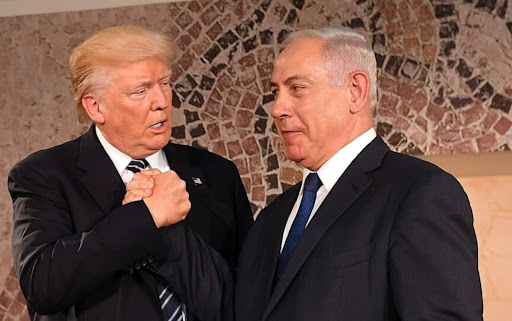
One of the less-discussed asymmetries in the Trump-Netanyahu campaign against Iran is the uneven distribution of its costs. Israel bears significant security risks — Iranian retaliation against Israeli territory and assets is a constant possibility — but it also captures most of the strategic gains from each successful operation. The United States bears the economic and diplomatic costs — energy price increases, Gulf ally pressure, global market volatility, credibility costs from contradictory public statements — while its strategic gains are more diffuse and longer-term. This asymmetry partly explains why Trump is more cautious about escalation than Netanyahu.
The South Pars episode illustrated the asymmetry clearly. Netanyahu identified a target that served Israeli strategic objectives — degrading Iran’s energy economy and demonstrating Israeli reach. The strategic gain was Israel’s: a major blow to Iranian economic capacity, a demonstration of Israeli military capability, progress toward Netanyahu’s comprehensive degradation goals. The economic costs — energy price increases, Iranian retaliation against regional infrastructure, Gulf ally anger — fell primarily on non-Israeli parties, including American economic and diplomatic relationships.
Trump’s objection to the strike was partly an objection to this asymmetry. He was being asked to absorb costs — in Gulf ally relationships, in global energy market stability, in credibility — for a decision that served Netanyahu’s strategic objectives more directly than America’s. His “I told him, ‘Don’t do that'” was the reaction of a leader who recognized that the cost-benefit analysis looked very different from Washington than it did from Jerusalem.
Director of National Intelligence Gabbard’s confirmation of different objectives adds context to the cost asymmetry. When partners have different strategic objectives, the costs and benefits of each operation distribute unevenly — the partner whose objectives are served captures the benefits, while the partner whose objectives are not well-served absorbs the costs. South Pars was a particularly clear example of this dynamic in the Trump-Netanyahu relationship.
Managing the cost asymmetry more equitably — developing mechanisms for joint cost-benefit assessment that account for each partner’s exposure — is one of the structural improvements that could reduce the frequency and severity of South Pars-type episodes. Whether Trump and Netanyahu have the institutional appetite for that kind of explicit burden-sharing conversation is an open question.